
By Nathan Kiwere
As followers of Christ, our faith is not merely a personal journey of prayer, worship, and devotion; it is also a call to action—a call to serve those whom society often forgets. Caring for the underprivileged is not optional; it is the very heartbeat of our faith. The Bible reminds us in Matthew 25:40, “Truly I tell you, whatever you did for one of the least of these brothers and sisters of mine, you did for me.” These words compel us to see service to the underprivileged not as charity, but as worship in action.
In Masaka, Uganda, the challenges faced by physically handicapped individuals and the poor are immense. Many live without adequate access to food, healthcare, or education, and often face societal neglect or stigma. Yet, through movements like Shupavu, we witness the transformative power of Christian compassion. By mobilizing volunteers to visit homes, provide food, organize skill-building workshops, and share the Gospel, Shupavu demonstrates that faith finds its fullest expression in tangible acts of love.
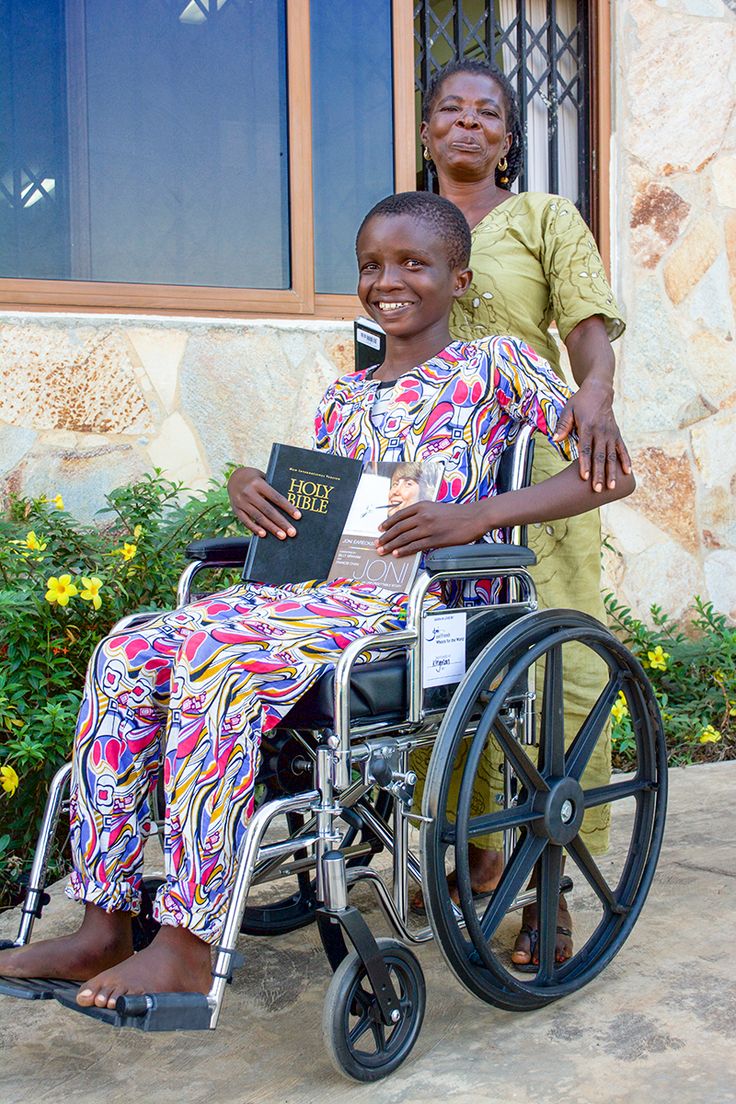
Consider the story of Tony, a young man in Masaka born with a physical disability that prevented him from walking without assistance. For years, Tony felt isolated, watching other children attend school while he remained at home. One day, Shupavu volunteers arrived with mobility aids, school supplies, and encouragement. With tears of joy, Tony exclaimed, “I never thought anyone would care about me like this.” Although deceased, Tony grew to become a man of purpose, married a beautiful and able-bodied wife and even started a family. He started a successful business and made strides that few of his able-bodied peers had made. This story illustrates a vital truth: when believers step forward to care for the marginalized, they not only change lives—they reveal God’s love in the most concrete ways.
Caring for the underprivileged also strengthens the church community. When believers work together to address the needs of the poor, they foster unity, compassion, and a sense of purpose. Acts of service remind us that our blessings are meant to be shared and that God entrusts us with the resources, talents, and time to uplift others. Even small gestures—a warm meal, a listening ear, or mentorship—can leave lasting impacts on those who feel forgotten.
Yet, the call to care is not limited to organized movements or charitable initiatives. Each believer is invited to live with a heart sensitive to the needs of others. It may be as simple as checking on a neighbor who lives alone, supporting a struggling single mother, or praying and providing for a child in need. The principle is the same: wherever there is suffering, the love of Christ is most powerfully displayed when believers act.
Caring for the underprivileged is a sacred duty of every believer. It is an expression of our faith that goes beyond words, transforming communities and demonstrating God’s love in action. Organizations like Shupavu remind us that compassion is both a responsibility and a privilege. As believers, let us rise to this call—touching lives, lifting spirits, and embodying the Gospel through our deeds. After all, as the Apostle James teaches, “Faith by itself, if it is not accompanied by action, is dead” (James 2:17). Let us live a faith that breathes life into the lives of others.
Leave a Reply