
By Caroline Agudo
I vividly remember joining the Shupavu Movement sometime around 2016 during a Christian youth camp that I attended at Kako Senior Secondary School in Masaka. The camp had been organized under Prime Time, an outreach ministry of Makerere Community Church, which focuses on evangelism and discipleship among young people. For me, it was not just another Christian gathering; it felt like a defining spiritual encounter that opened a completely new chapter in my journey of faith and service.
During that season, there was a ministry called TeenMania that regularly sent teams of student volunteers from the United States to Uganda to participate in various Christian outreach activities. Their mission was to reach out to students and communities with the Gospel through music, drama, preaching, and personal interaction. However, one major challenge soon became apparent. Many of the communities they ministered to—especially in the central region—primarily spoke Luganda, and communication became difficult. The message was powerful, but without translation, it risked being misunderstood or not received at all.
It was at this point that the Shupavu team stepped in with a simple but profound request. They appealed to students from Makerere University to volunteer as interpreters, bridging the gap between the American teams and the local communities. The idea of being part of something that connected cultures and helped spread God’s Word deeply stirred my heart. Despite having my own academic commitments, I felt compelled to respond. I believed that if God had given me both English and Luganda, then perhaps He intended those abilities to be used in service to others.
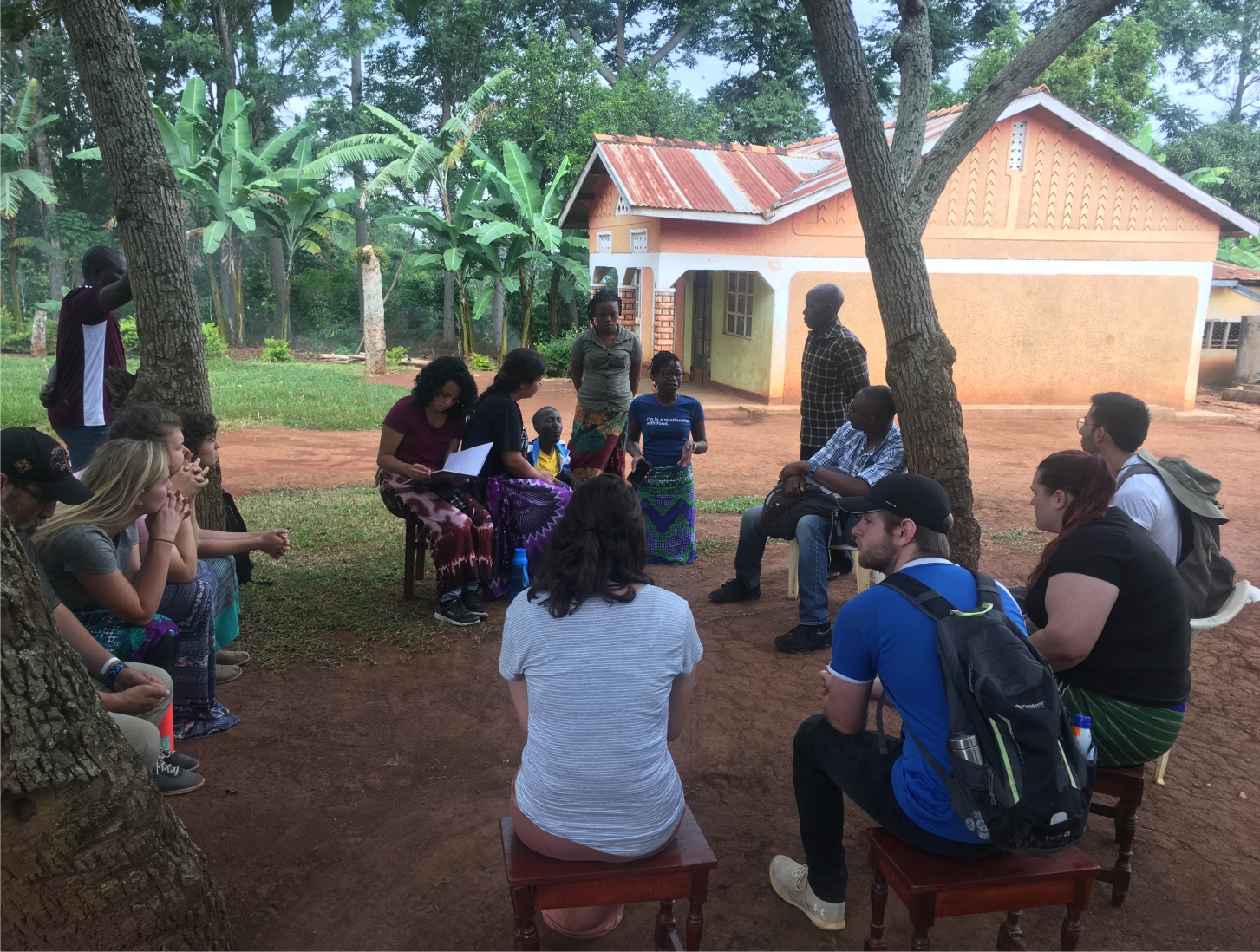
At the end of the youth camp, I was deployed alongside one of the TeenMania teams. Together, we travelled into the nearby communities of Masaka, where we ministered to underprivileged families, school children, and even people with physical disabilities. My role went beyond simple translation; I became a bridge between two worlds—helping convey not only words, but also emotion, compassion, and the love of Christ.
We prayed with people, listened to their stories, encouraged those who were struggling, and shared messages of hope. Some of the individuals we met lived under very difficult circumstances, yet their gratitude and openness humbled me deeply. It was especially touching to witness how people who might otherwise have felt overlooked suddenly felt seen, valued, and spiritually uplifted.
Serving through the Shupavu Movement during that time was incredibly fulfilling. It opened my eyes to the true meaning of ministry—selfless service motivated by God’s love. I realized that service is not always about preaching from a pulpit; sometimes it is as simple as making sure someone understands the message that is meant for them. The experience strengthened my faith, shaped my character, and reminded me that God can use ordinary people in extraordinary ways when they make themselves available.
Leave a Reply